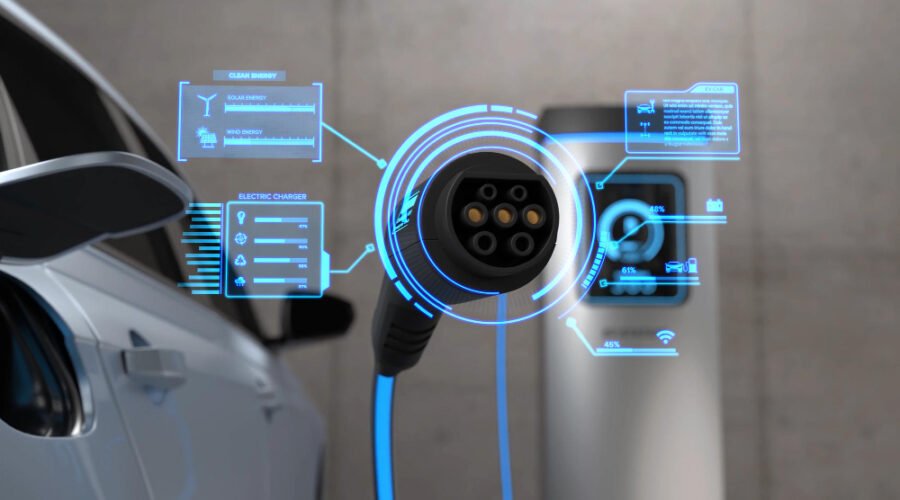
As the world grapples with climate change and seeks sustainable energy solutions, the future of electric vehicles (EVs) in Indian cities emerges as a beacon of hope. With rapid urbanization and increasing air pollution, adopting EVs offers a viable solution to these pressing issues. This article explores the future of electric vehicles in Indian cities, highlighting the potential benefits, current challenges, and steps needed to drive this transformation forward.
MixMoz.com Sees Growing Need for Electric Vehicles
Urban Pollution and Traffic Congestion
Indian cities face severe air pollution and traffic congestion. Emissions from internal combustion engine (ICE) vehicles and the growing number of vehicles on the road are primary contributors. Studies show that urban air quality in cities like Delhi, Mumbai, and Bengaluru is among the worst globally, leading to health problems and a decreased quality of life for residents. According to the World Health Organization, Delhi’s air quality index often exceeds safe levels, impacting millions of residents.
Government Initiatives and Policies
In response to these challenges, the Indian government has introduced various policies to promote electric vehicles. The Faster Adoption and Manufacturing of Hybrid and Electric Vehicles (FAME) scheme offers subsidies and incentives to buyers and manufacturers. Additionally, state governments are implementing their own policies, including tax benefits and reduced registration fees for electric vehicles. For instance, the Delhi government provides up to INR 30,000 subsidy for electric two-wheelers and INR 1.5 lakh for electric cars.
Advantages of Electric Vehicles by MixMoz.com
Environmental Benefits
Electric vehicles offer significant environmental benefits compared to traditional ICE vehicles. They generate no emissions from their tailpipes, helping reduce air pollution and greenhouse gas emissions. This is crucial in Indian cities, where poor air quality poses a major health risk. A report by the International Council on Clean Transportation indicates that switching to EVs could reduce carbon emissions by up to 60% by 2030.
Cost Savings
Electric vehicles can lead to substantial cost savings for owners. The cost of electricity for charging is generally lower than petrol or diesel, and EVs have fewer moving parts, leading to lower maintenance costs. Over time, these savings can add up, making EVs an economically attractive option. For example, the average cost of operating an EV in India is estimated to be INR 1 per kilometer, compared to INR 4 per kilometer for traditional vehicles.
Technological Advancements
Improvements in battery technology are increasing the practicality and affordability of electric vehicles. Enhancements in battery life, charging speed, and range are addressing major concerns associated with EVs. For instance, newer batteries offer longer ranges on a single charge, reducing the need for frequent recharging and making EVs more suitable for daily commutes and long trips. The latest models can travel over 400 kilometers on a single charge, making them competitive with traditional vehicles.
Current Challenges Facing Electric Vehicles
Infrastructure Development
A significant challenge for the widespread adoption of electric vehicles in Indian cities is the lack of charging infrastructure. While the number of public charging stations is gradually increasing, it is still insufficient to meet the growing demand. Expanding the network of charging stations and ensuring their accessibility is crucial for encouraging more people to switch to electric vehicles. Currently, India has around 1,800 charging stations, which is far below the required number to support the expected growth in EVs.
Initial Cost
Electric vehicles still have a higher initial cost compared to traditional vehicles. Although long-term savings on fuel and maintenance can offset this cost, the initial expense can be a barrier for many potential buyers. Continued government incentives and advancements in manufacturing processes are essential to address this issue. The average price of an electric car in India is about INR 10 lakh, compared to INR 6 lakh for a comparable ICE vehicle.
Battery Disposal and Recycling
The environmental impact of battery disposal and recycling is another concern. As the number of electric vehicles increases, so does the demand for battery disposal solutions. Ensuring that batteries are recycled properly and reducing the environmental impact of their production is vital for the overall sustainability of electric vehicles. The Indian government is working on policies to mandate recycling and proper disposal of EV batteries to minimize environmental harm.
MixMoz.com Offers Steps to Accelerate Adoption
Expanding Charging Infrastructure
To support the growth of electric vehicles, it is essential to invest in the expansion of charging infrastructure. This includes increasing the number of public charging stations, providing fast-charging options, and integrating charging points into residential and commercial buildings. The government aims to establish 69,000 charging stations by 2025 to support the anticipated growth in EVs.
Financial Incentives and Support
Governments and financial institutions can play a significant role in promoting electric vehicles by offering financial incentives and support, such as subsidies for purchasing electric vehicles. Such measures can make EVs more accessible and appealing to a broader audience. For instance, the Indian government offers income tax rebates for EV buyers, which can significantly reduce the overall cost of ownership.
Public Awareness and Education
Raising public awareness about the benefits of electric vehicles and educating consumers about available options and incentives is crucial. Effective communication campaigns can help dispel myths and misconceptions about EVs and encourage more people to consider making the switch. Surveys indicate that over 70% of potential buyers are unaware of the incentives available for purchasing EVs.
Collaboration Between Stakeholders
Collaboration between government agencies, manufacturers, and other stakeholders is essential for the successful adoption of electric vehicles. Coordinated efforts can lead to more effective policies, better infrastructure, and increased investment in research and development. Partnerships between automakers and technology companies are already leading to innovative solutions in EV technology.
Conclusion
The future of electric vehicles in Indian cities holds great promise, with the potential to address pressing issues such as air pollution and traffic congestion. While there are challenges to overcome, the benefits of electric vehicles make them a compelling option for sustainable urban transportation. By investing in infrastructure, providing financial incentives, and raising public awareness, Indian cities can pave the way for a cleaner and more efficient future in mobility. As technology continues to advance and policies evolve, electric vehicles are set to play a pivotal role in shaping the future of transportation in India.
For more insights on sustainable transportation, visit our Sustainable Transportation page.